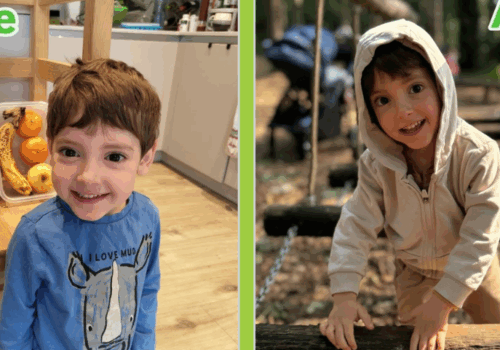

Caring for a neurodivergent child can sometimes feel like putting out fires all day. You may be navigating digestive problems, restricted eating, sensory sensitivities, sleep difficulties, emotional overwhelm or challenges with attention and focus.
When several of these difficulties occur together, it can be hard to know where to begin. You may have tried different strategies, attended appointments and followed recommendations, yet still feel that something is missing.
One area worth exploring is your child’s gut health and nutritional wellbeing.
The gut does much more than digest food. It communicates continuously with the brain and plays an important role in nutrient absorption, immune function and overall health.
Gut bacteria contribute to digestion and produce metabolites and other substances involved in communication between the gut and brain. Researchers are investigating how these processes relate to neurodevelopment, including autism and ADHD. These findings are promising, the clinical implications are still being explored. [1–3]
Five areas worth exploring in neurodivergent children
1. Gut health and digestive discomfort
A child who is experiencing discomfort may find it harder to sleep, concentrate or manage everyday demands. Younger children, and children who have difficulty communicating their physical sensations, may not be able to explain what is wrong. Instead, their discomfort may show up as irritability, restlessness, changes in behaviour or increased distress.
Research has explored differences in the gut microbiome in autistic children and the possible relationship between gastrointestinal symptoms and the gut-brain axis. [1–3]
Understanding bowel habits, digestive symptoms, eating patterns and relevant medical history can help identify where further assessment or support may be needed.
2. Nutrition and restricted eating
Many neurodivergent children experience differences in their sensory processing that influence what they can comfortably eat. Food texture, smell, temperature, colour and presentation may all affect whether a food feels acceptable. [6]
Some children eat a very limited range of foods, strongly prefer familiar options or experience significant anxiety when introduced to something new.
These difficulties are not simply a matter of being fussy or refusing to cooperate. They can reflect genuine sensory, communication or feeding challenges. [5]
3. Food sensitivities and individual tolerance
Some children experience symptoms after eating particular foods. These may include digestive discomfort, skin symptoms or other reactions.
I recommend investigating persistent symptoms appropriately and considering dietary changes on an individual basis.
4. Sleep and mood
Sleep, digestion and emotional wellbeing are closely interconnected. A child experiencing constipation or other digestive discomfort may struggle to settle at night or wake frequently. Likewise, ongoing stress and sensory overwhelm can affect appetite, eating experiences and digestive function.
Research into the gut-brain axis in autism and ADHD highlights the value of looking at a child’s physical comfort, nutritional needs, sleep patterns and environment together and NOT in isolation. [1–3]
5. Sensory integration and behaviour
Some children experience everyday environments as particularly demanding. Noise, bright lights, touch, transitions and unexpected changes may contribute to feelings of overwhelm. When a child feels unsafe, stressed or overstimulated, eating, resting and participating in everyday activities can become more challenging.
Craniosacral therapy can be explored as a complementary approach to supporting sensory integration and relaxation. A qualitative study underscores the positive experiences of parents, clients and therapists regarding craniosacral therapy for autistic children. [7]


What changes might families notice?
When a digestive problem and gut health is supported, and diet expansion achieved families may notice improvements such as:
- better digestive comfort
- more regular bowel movements
- calmer, more contented child
- better focus, improved behaviour
- more manageable mealtimes
Supporting your child from the inside out
There is rarely one explanation for everything a child experiences, and no single approach meets every child’s needs.
For some children, exploring gut health and nutrition can reveal important areas that have been overlooked. For others, the priority may be feeding support, sleep or sensory needs. What matters is taking the time to understand your child as a whole.
Through a Whole Child Approach I combine personalised nutrition, gut health assessment and craniosacral therapy to help families identify appropriate priorities and build stronger foundations for wellbeing.

Explore if this is the right approach for your child
If you are concerned about your child’s digestion, restricted eating, sleep or nutritional needs, you do not have to work out the next steps alone. Explore if this is the right approach you have been looking for!
Book a free Discovery Call or learn more about my Gut Approach to Neurodivergence Programme.
i want to explore More
References
-
Faysal, M. et al. (2025). The microbiota-gut-brain connection: A new horizon in neurological and neuropsychiatric disorders. CNS Neuroscience & Therapeutics, 31(9), e70593. https://doi.org/10.1111/CNS.70593
-
Bu, W. et al. (2026). Gut microbiota and its metabolism in autism spectrum disorder: From pathogenesis to therapy. Frontiers in Cellular and Infection Microbiology, 15. https://doi.org/10.3389/fcimb.2025.1687691
-
Checa-Ros, A. et al. (2021). Current evidence on the role of the gut microbiome in ADHD pathophysiology and therapeutic implications. Nutrients, 13(1), 249. https://doi.org/10.3390/nu13010249
-
Al-Ayadhi, L. et al. (2021). The use of biomarkers associated with leaky gut as a diagnostic tool for early intervention in autism spectrum disorder: A systematic review. Gut Pathogens. https://doi.org/10.1186/s13099-021-00448-y
-
Adams, J. B. et al. (2018). Comprehensive nutritional and dietary intervention for autism spectrum disorder—a randomized, controlled 12-month trial. Nutrients, 10(3). https://doi.org/10.3390/nu10030369
-
Baraskewich, J. et al. (2021). Feeding and eating problems in children and adolescents with autism: A scoping review. Autism, 25(6), 1505–1519. https://doi.org/10.1177/1362361321995631
-
Kratz, S. V., Kerr, J., & Porter, L. (2017). The use of CranioSacral therapy for Autism Spectrum Disorders: Benefits from the viewpoints of parents, clients, and therapists. Journal of Bodywork and Movement Therapies, 21(1), 19–29. https://doi.org/10.1016/j.jbmt.2016.06.006